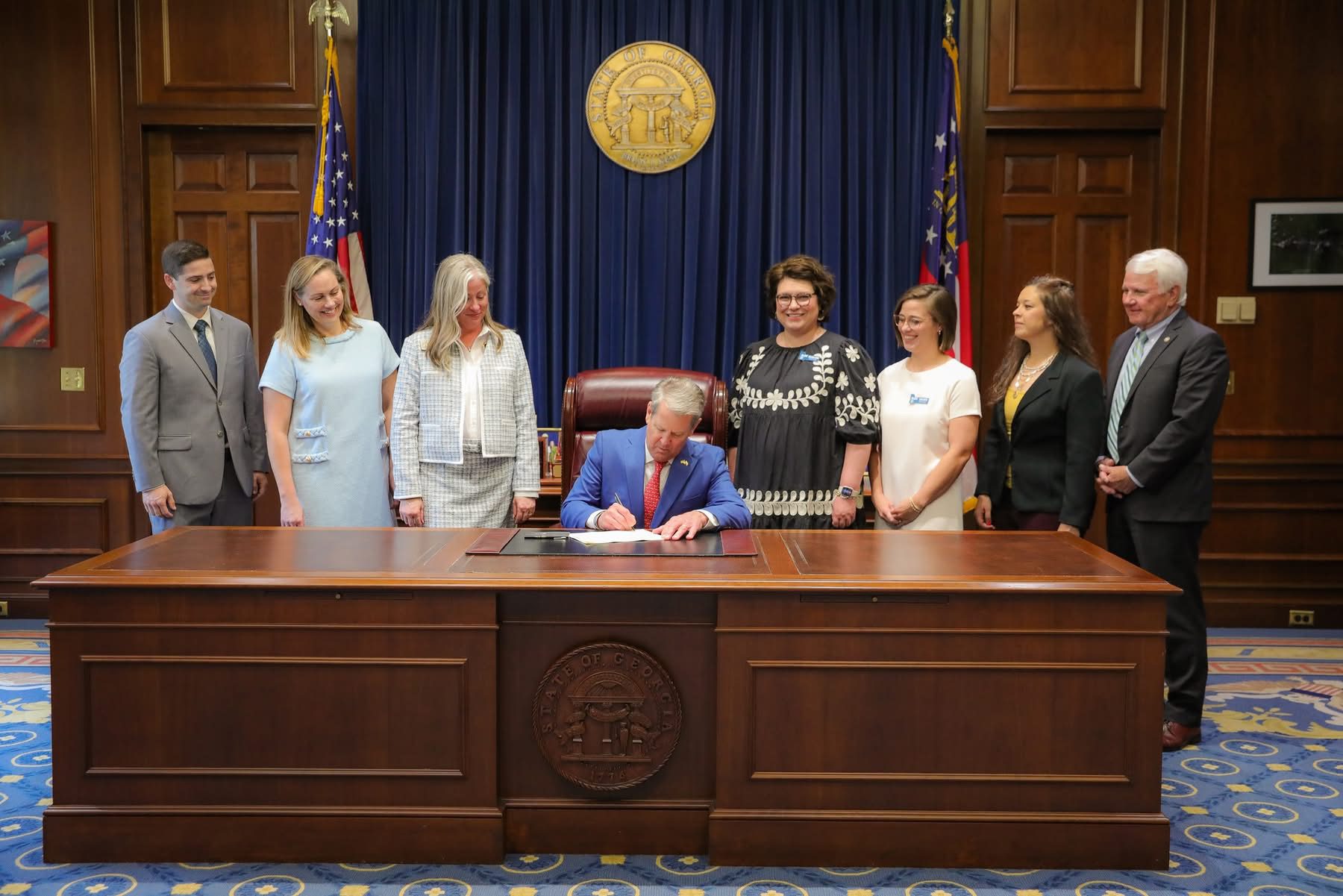
The Greater Vidalia® Center for Rural Entrepreneurship and Greater Vidalia® Chamber celebrates the signing of House Bill 398 into law, a pivotal step forward for Georgia’s home-based food entrepreneurs. The new legislation, recently signed by Governor Brian Kemp, allows cottage food producers to sell their products through third-party retailers, such as local grocery stores, coffee shops, and restaurants—greatly expanding market access for small businesses operating from home kitchens.
The term “cottage food” refers to food made in a home kitchen, not a commercial one. These products must be non-potentially hazardous, meaning they don’t require refrigeration.
Examples of cottage food include:
- Baked goods like cookies, bread, and muffins
- Jams, jellies, and preserves
- Candies and dried fruits
- Spice blends and snack mixes
Cottage food does NOT include:
- Meat, poultry, or dairy products
- Anything that must be kept cold, like cheesecakes or cream pies
- Pickled vegetables or low-acid canned items
Previously, Georgia’s cottage food law restricted these producers to direct-to-consumer sales only, limiting economic opportunities in many rural areas. The updated law maintains public health safeguards while lowering regulatory hurdles that disproportionately affect rural entrepreneurs.
“I applaud Governor Kemp, Representative Leesa Hagan, and other advocates in the Georgia legislature for the signing of HB 398 into law as it significantly reduces regulatory barriers for our cottage food entrepreneurs,” stated Michele Johnson, President of the Greater Vidalia® Chamber. “I am hopeful the bill will spark creativity and innovation in our food sector and, eventually, lead to the creation of regional cottage food businesses that create jobs, stimulate economic growth, and showcase local flavor.”
Cottage food businesses—ranging from bakers and candy makers to jam producers and spice blenders—play a vital role in rural economies, offering an accessible pathway to entrepreneurship. By enabling them to reach more customers, HB 398 strengthens the foundation for long-term growth and community development.
“This is more than a regulatory change; it’s a recognition of the talent, passion, and perseverance of small-scale entrepreneurs across Georgia,” added Johnson.
This bill was sponsored by local legislator, State Representative Leesa Hagan of the 156th district. For more information on Georgia’s cottage food program, visit the Georgia Department of Agriculture’s website.