
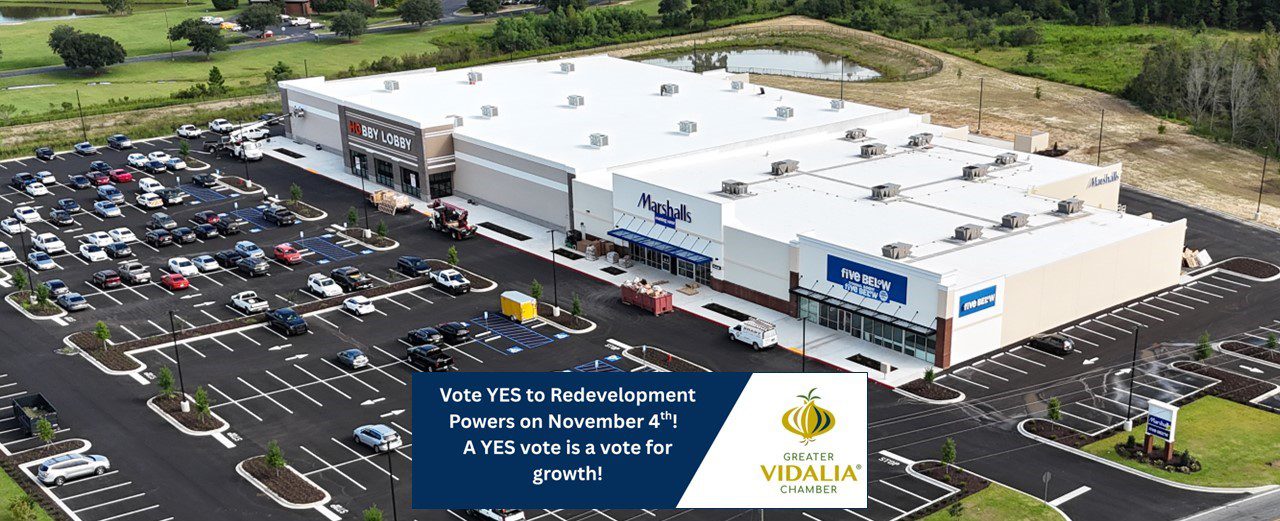
What is Redevelopment Powers Law, and how does it work?
Georgia’s Redevelopment Powers Law gives local governments the authority to sell bond to finance infrastructure and other redevelopment costs within a specially defined area, know as a tax allocation district (TAD). The bonds are secured by a “tax allocation increment” which is the increase in the property tax revenues resulting from redevelopment activities occurring. As public improvements and private investment take place within a TAD, the taxable value of property increases. The local government collects those revenues, putting the increase due to the new investment into a special fund to pay off bonds or loans that financed the public improvements in the district.
Will I pay a higher tax rate if my property is within a TAD?
No, the millage rate within a TAD is the same as outside of the district. There is no additional assessment charge in a TAD.
Where can local governments for TADs?
The Redevelopment Powers Law limits communities to including a maximum of 10% of the community’s Tax Digest in all TADs it creates. When forming a TAD, the local government designates a specific geographic area that has the potential for redevelopment but suffers from blight, underinvestment, or a lack of infrastructure.
What does the TAD referendum authorize?
The Redevelopment Powers Law requires that local communities authorize by voter referendum the use of tax allocation districts in their communities. Approval of the referendum gives local governments the right to form one or more TADs, but it does not form any districts.
How is a TAD area created?
If the TAD referendum passes, the local governments are authorized to form one or more TADs consistent with the requirements of Georgia’s Redevelopment Powers Law. This is accomplished by designating a TAD boundary and preparing a TAD Redevelopment Plan to act as the business plan for the operation of the district. The plan is discussed at two public hearings and then must be approved by a resolution of the governing body. Once the resolution is passed, the taxable value in the TAD is “certified” as the base value of the district by the Department of Revenue.
If the local government decides to create a TAD, how does the School District become involved?
The local government will ask the school board to review the plan and determine if they want to consent to commit their portion of the future property tax increments to the TAD by a formal approval of the Redevelopment Plan. A School System Impact Analysis is completed as part of the Redevelopment Plan.
How long does a TAD stay in effect?
The length of the TAD is determined by the Redevelopment Plan and approved in the resolution passed by the local government.
How do private developers benefit from TADs?
Creating a TAD allows for future tax revenues generated by a redevelopment project to be used to help pay for some of the costs of building the project. Usually, TAD bonds are used to either pay for public improvements to enhance a project or to help reduce the higher costs and risks of investing within a blighted area. TADs are often used to help pay for expensive water or sewer upgrades, parking structures, new roads, streetscape improvements, or other extra costs that otherwise make private redevelopment unfeasible.
What is the tax increment?
The tax increment is the difference between the amount of property tax revenue generated when the TAD is established (the “base” year) and the amount of property tax revenue generated after the TAD designation. When a TAD is created, the State Department of Revenue sets the base value for the district. Any growth in the property tax revenues resulting from increased in property values above the base values are collected in a special fund and used for redevelopment costs in the TAD. Only property taxes generated by the incremental increase in the values of these properties are available for use by the TAD.